The National Vaccine Committee has approved the national vaccine security strategy and agreed to push for the inclusion of the Pneumococcal Conjugate Vaccine (PCV) in the national immunisation programme , amid persistently severe domestic disease trends.
The committee convened to acknowledge and deliberate on Thailand’s vaccine security policy and strategic plan, aimed at strengthening self-reliance, improving access to vaccines and increasing coverage rates. The meeting also focused on accelerating the inclusion of PCV in the EPI to enhance vaccine-based disease prevention for people of all age groups.
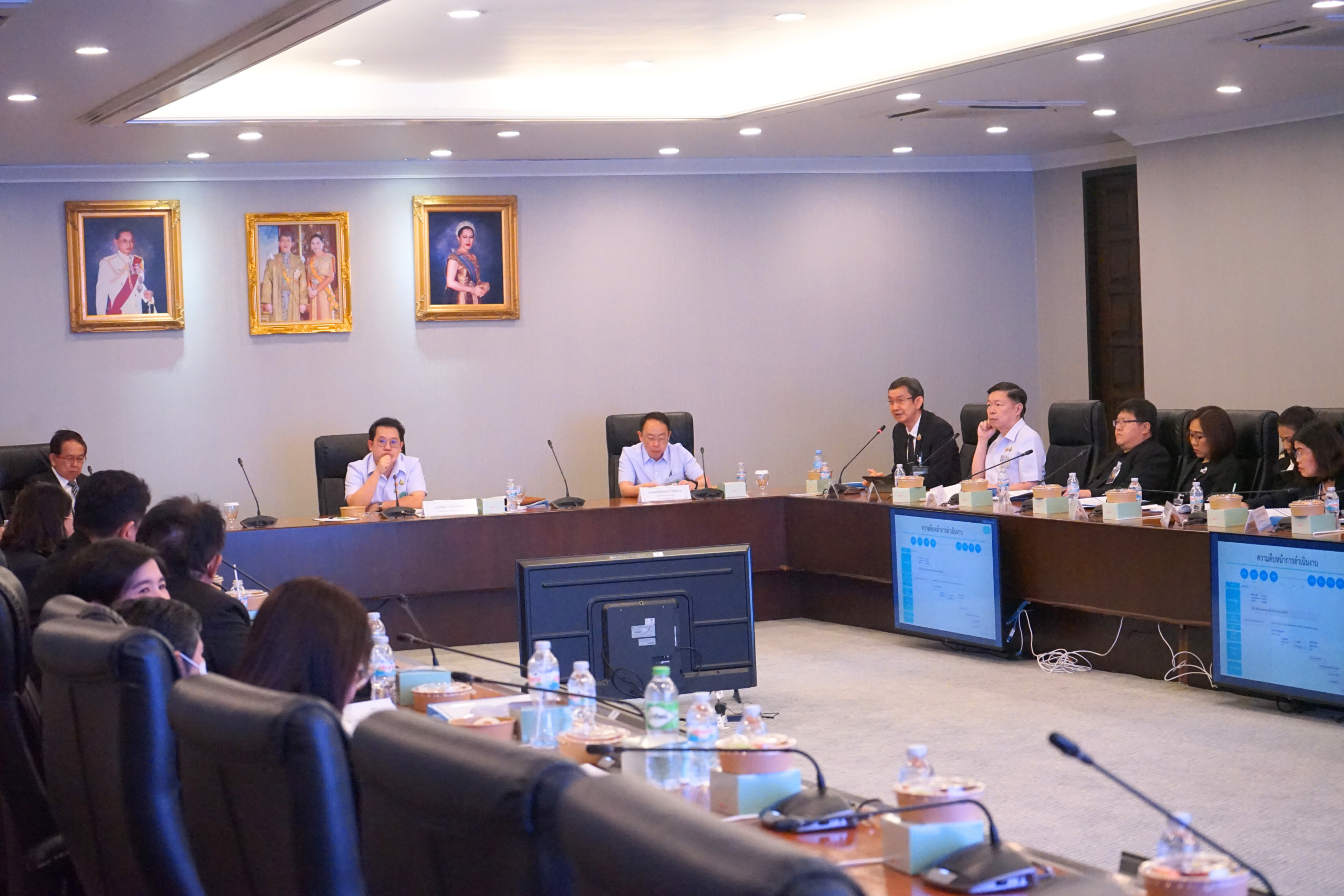
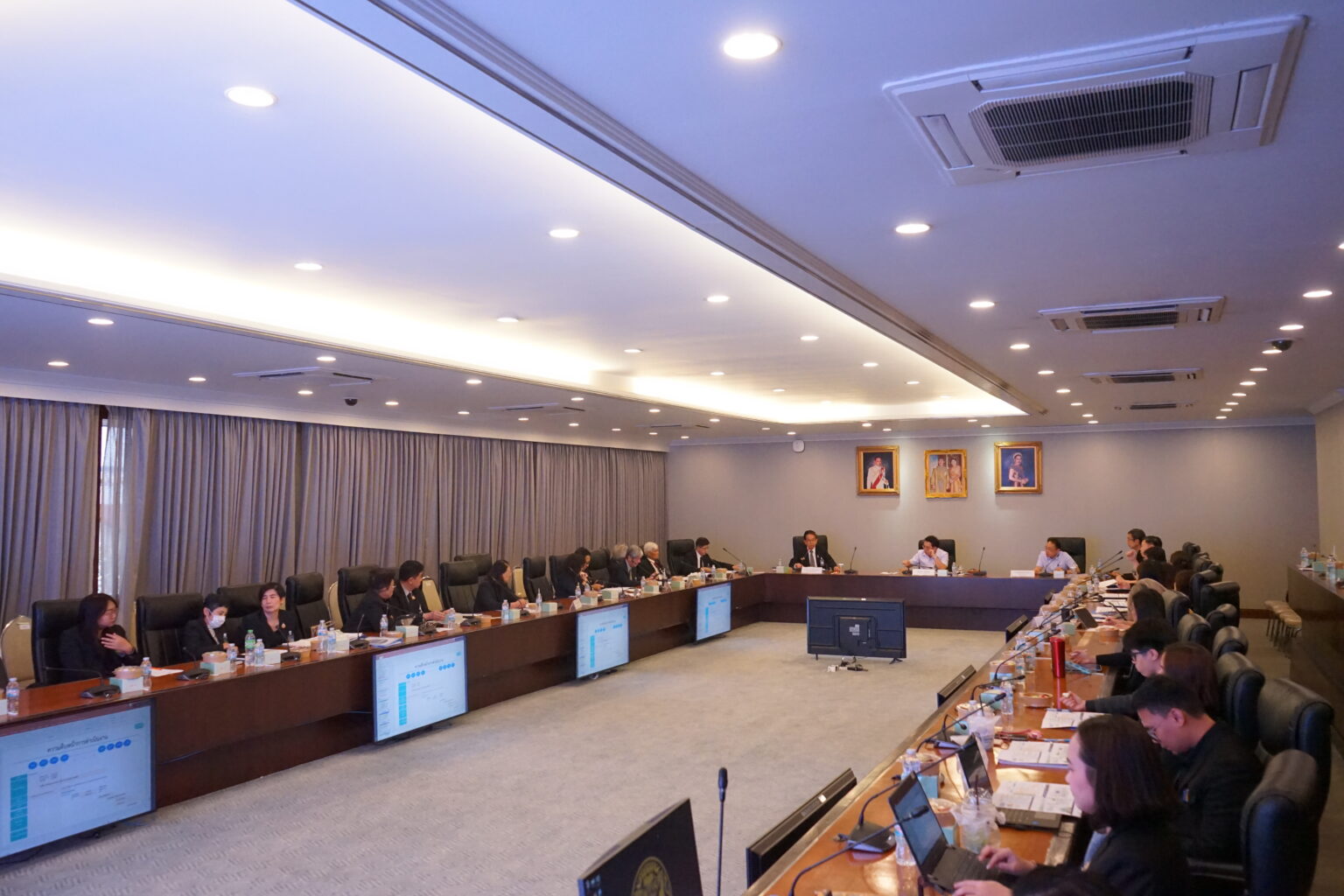
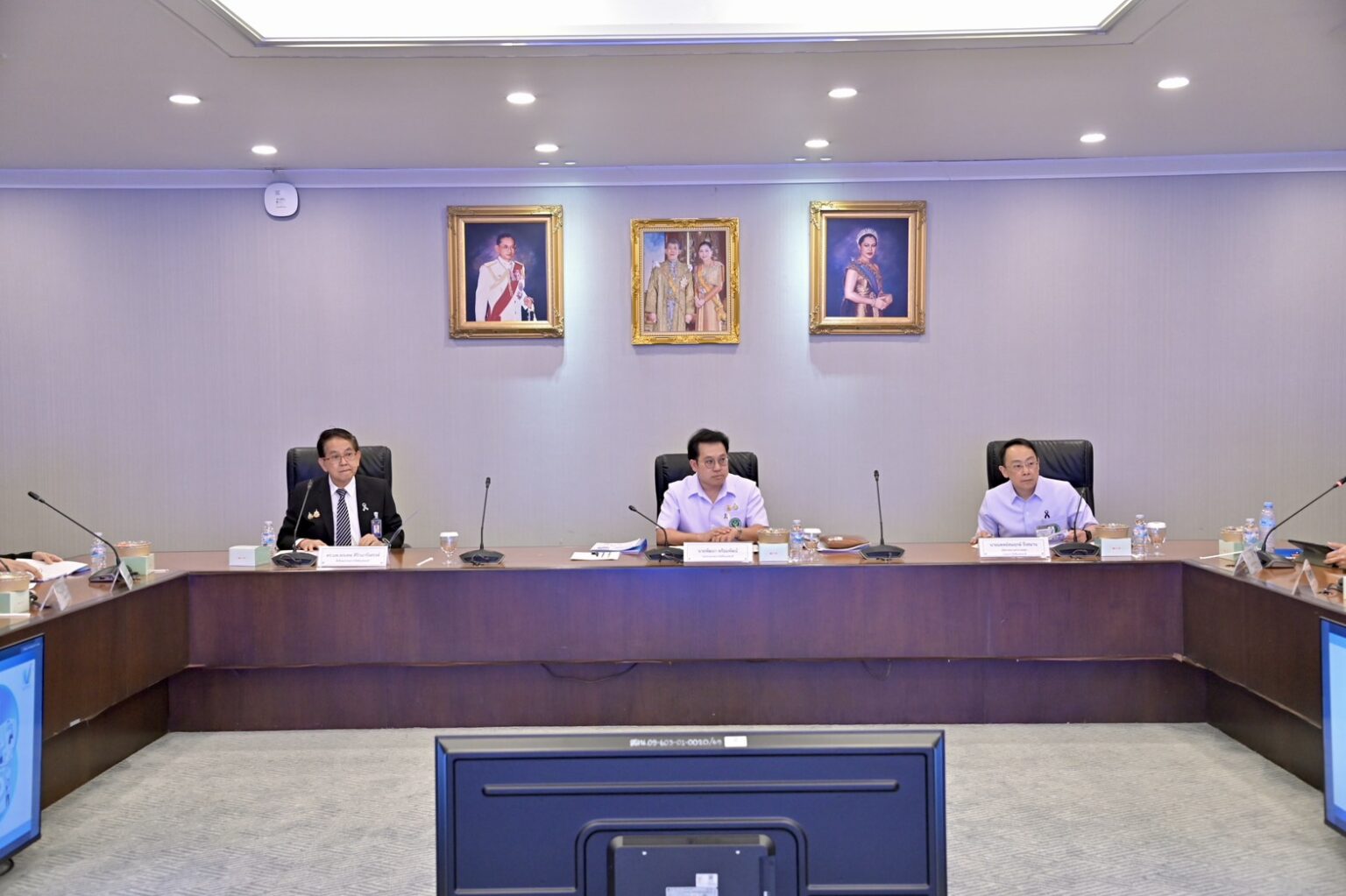
On Jan 13, 2026, at Meeting Room 301, Command Building 1, Government House, Public Health Minister Mr.Pattana Promphat presided over the first National Vaccine Committee meeting of 2026.
Participants included Public Health Permanent Secretary Dr.Somrerk Chungsaman, Disease Control Department Director-General Dr.Montien Kanasawat, National Vaccine Institute (NVI) Director Dr.Nakorn Premsri, ex-officio members and other experts.
Mr Pattana said the meeting agreed to prioritise the rapid inclusion of the pneumococcal vaccine (PCV) in the national immunisation programme to reduce severe illness and deaths caused by pneumococcal infections.
This decision comes as pneumococcal pneumonia in Thailand continues to show a worrying upward trend, particularly among young children.
Latest data from 2024 recorded more than 412,963 cases, while the mortality rate among children aged 0–4 has increased fivefold over the past four years. Hospital admissions among children have also risen significantly.
He said the disease not only poses short-term health risks to Thai children but could also lead to long-term complications, disability and reduced quality of life. Thailand has been pushing for PCV inclusion for more than five years, starting with prioritisation by the Immunization Subcommittee, pilot vaccination programmes in selected areas, and the inclusion of PCV10 and PCV13 in the National List of Essential Medicines in 2023, supported by collaboration among academic, professional and policy sectors.
However, the process of inclusion PCV into the national immunisation programme and recognising it as a benefit under the Universal Health Coverage scheme has faced delays.
The committee emphasised concrete measures to accelerate access to PCV and urged the National Health Security Office (NHSO) to speed up its inclusion as a benefit. Budget allocations for vaccine procurement have already been set aside for the 2026 fiscal year. Additionally National Vaccine Institute, together with relevant agencies, were tasked with reviewing and improving the mechanism for introducing new vaccines into the national immunisation programme to reduce procedural complexity and shorten implementation timelines in line with the country’s public health situation.
The move represents another key milestone in Thailand’s vaccine policy, reflecting a long-term, cost-effective investment in health and a collective effort to protect Thai children from vaccine-preventable diseases.
Dr.Nakorn said the meeting was also briefed on overall progress in vaccine development, including collaboration on manufacturing -scale influenza vaccine production using cell-based technology to enhance national vaccine manufacturing security. The institute has provided funding support from the Science, Research and Innovation Promotion Fund for fiscal years 2024–2025 to upgrade the National Biopharmaceutical Manufacturing Facility to prepare for technology transfer. Additional funding for 2026 is currently being proposed to Thailand Science Research and Innovation (TSRI).
Discussions were also held with South Korea’s SK bioscience and Thailand’s Government Pharmaceutical Organisation on progress in establishing a joint venture and transferring vaccine production technology. Efforts are under way to enhance project sustainability through regional market expansion, diversification into other vaccine types and improved production efficiency.
The meeting also acknowledged progress under the Immunisation Subcommittee. Dr Montien reported that the 2026 national immunisation recommendations have been drafted based on the life-course immunisation concept. These include revised HPV vaccination guidelines for women aged 20–26 and prioritisation of vaccines to be proposed for inclusion in the EPI to ensure appropriate access across all age groups.
In addition, the committee acknowledged the implementation results of the National Vaccine Security Policy and Strategic Plan for fiscal year 2025 and approved the draft mid-term National Vaccine Security Policy and Strategic Plan for 2026–2027. The plan focuses on effective vaccine management, promoting national vaccine research and manufacturing capacity, human resource development and strengthening partnerships to ensure all people in Thailand have quality, equitable, comprehensive and sustainable access to quality vaccines.
NVI was assigned to submit the draft policy and strategic plan to the Office of the National Economic and Social Development Council (NESDC) and the cabinet for further consideration